Comparing Retro Consoles from the 80s and 90s
The resurgence of retro gaming in recent years has captivated enthusiasts and newcomers alike. As we step into 2026, the charm of consoles from the 80s and 90s remains stronger than ever. These vintage systems have not only shaped the gaming landscape but have also forged a deep connection with players, evoking memories of simpler times and classic gameplay. This article delves into the nuances of these iconic consoles, exploring their features, cultural significance, and enduring legacy.
Iconic Consoles of the 80s
The 1980s ushered in a new era of gaming, marked by the introduction of several groundbreaking consoles. The Nintendo Entertainment System, or NES, released in 1985, reignited the gaming industry after the crash of 1983. This console was instrumental in popularizing home gaming, offering titles like Super Mario Bros and The Legend of Zelda, which remain beloved today. The NES's 8-bit graphics and engaging gameplay set a standard that many games still aspire to meet.
Nintendo Entertainment System
In 2026, the NES continues to hold a revered place in gaming history. Its impact is evident in the design of modern games that emphasize fun and accessibility. Players can relive their childhood memories through re-releases and mini consoles that bring these classic experiences back to life. The NES's controller design has influenced countless subsequent gaming devices, showcasing the timelessness of its ergonomic approach.
Notable Consoles of the 90s
The 1990s saw a technological leap as consoles began to adopt more advanced capabilities. The Sony PlayStation, launched in 1994, changed the game by introducing 3D graphics and CD-ROM technology. This innovation allowed for larger games with more complex storylines, paving the way for franchises like Final Fantasy and Metal Gear Solid. The PlayStation's success set a benchmark for the future of gaming consoles.
People Also Look For:
- ASTEKID 2026 Retro Handheld Game Console, Relive 22000 Classic Games, Support 30+ Emulators, Portable Pocket Arcade, Casual Commut...
- Toyrific Classic Jacks Game Set with Ball and Bag, Fun Family Game for Kids and Adults, Portable Travel Toy Gift
- TIKKERS HANDHELD CONSOLE
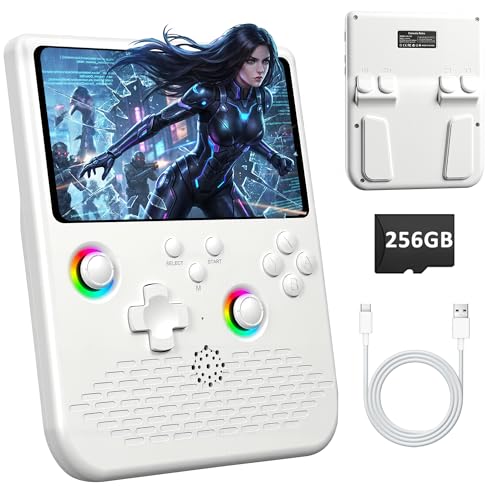
- VEGAMED Retro Games Handheld Game Console, 3.5 inch Mini HD IPS Screen Retro Console, 3800mAh Large Capacity, Built-in 256G Card, ...
- Hasbro Gaming Simon Electronic Memory Game
Sony PlayStation
By 2026, the PlayStation has evolved into a multi-faceted brand, yet its roots remain grounded in the original system's legacy. Gamers today often find themselves drawn to remastered versions of classic PlayStation titles that highlight the storytelling and gameplay innovations introduced in the 90s. The PlayStation's influence can be seen in its successors, which continue to push the boundaries of technology while honoring the past.
Comparative Features and Gameplay Experiences
When comparing the consoles of the 80s and 90s, several key features emerge that highlight their differences and similarities. The NES and PlayStation represent distinct eras in gaming, each with unique strengths. The NES focused on 2D sprite graphics and simple controls that appealed to a wide audience. In contrast, the PlayStation embraced a more immersive experience through 3D graphics and complex narratives.
Graphics and Sound
In 2026, the graphical capabilities of retro consoles are often a topic of discussion among gamers. The NES's 8-bit graphics may seem simplistic by today's standards, yet they possess a charm that resonates with many. The soundtracks of NES games are iconic, often composed of catchy melodies that players still hum today. In contrast, the PlayStation introduced CD quality audio, allowing for richer soundscapes that enhanced the storytelling experience.
Game Library and Genres
The diversity of game libraries is another critical aspect when comparing these consoles. The NES boasted a vast array of family-friendly titles, while the PlayStation opened doors for more mature and complex genres. This evolution in game design reflects the changing demographics of gamers, as more adults began to embrace gaming during the 90s.
Legacy and Community
As we explore the legacy of these retro consoles, it becomes evident that their impact extends beyond gaming. In 2026, communities surrounding these platforms thrive, with enthusiasts gathering online and in-person to share their experiences and nostalgia. Retro gaming events and conventions celebrate the culture that these consoles fostered, allowing fans to connect over shared memories.
Online Communities and Preservation Efforts
Online forums and social media groups dedicated to retro consoles have become vital spaces for fans. These communities engage in discussions about game preservation, sharing tips on how to maintain old hardware and software. Preservation efforts are crucial, as they ensure that future generations can appreciate the artistry and innovation of the games from the 80s and 90s. Various projects aim to archive these games, providing access to titles that might otherwise be forgotten.
In 2026, the trend of remaking and remastering classic games continues to flourish. These projects not only bring nostalgia to long-time fans but also introduce new players to the rich history of gaming. As retro consoles gain renewed interest, the cycle of appreciation and innovation continues, ensuring that their legacy remains alive and well.
The comparison of retro consoles from the 80s and 90s reveals a rich tapestry of gaming history that remains relevant today. With each console representing a unique chapter in the evolution of gaming, their stories intertwine to form the foundation of modern entertainment. As we look ahead, the appreciation for these systems endures, demonstrating that the joy of gaming transcends generations.